Our History
Discover the people, events, and stories that shaped its enduring significance.
Join the Wigwam Journal Here:
Centuries of Southern Heritage
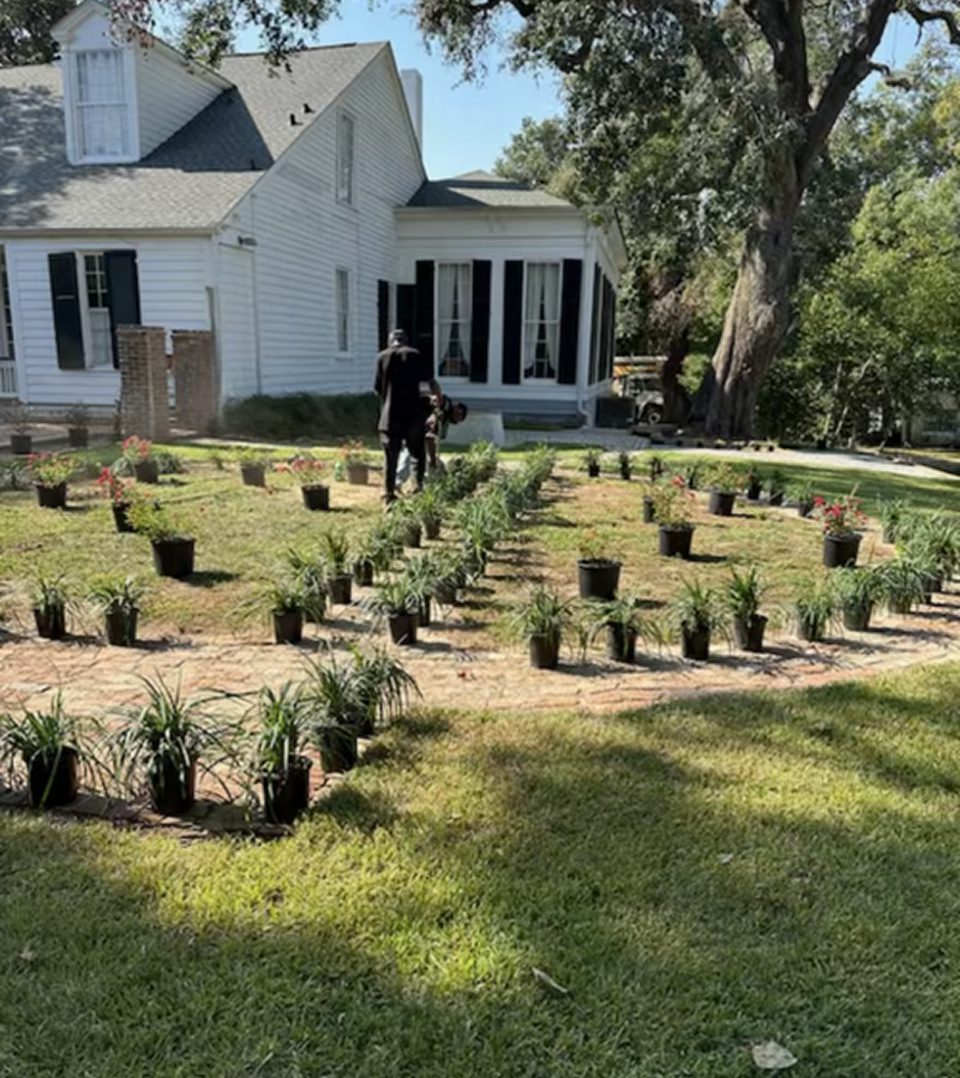
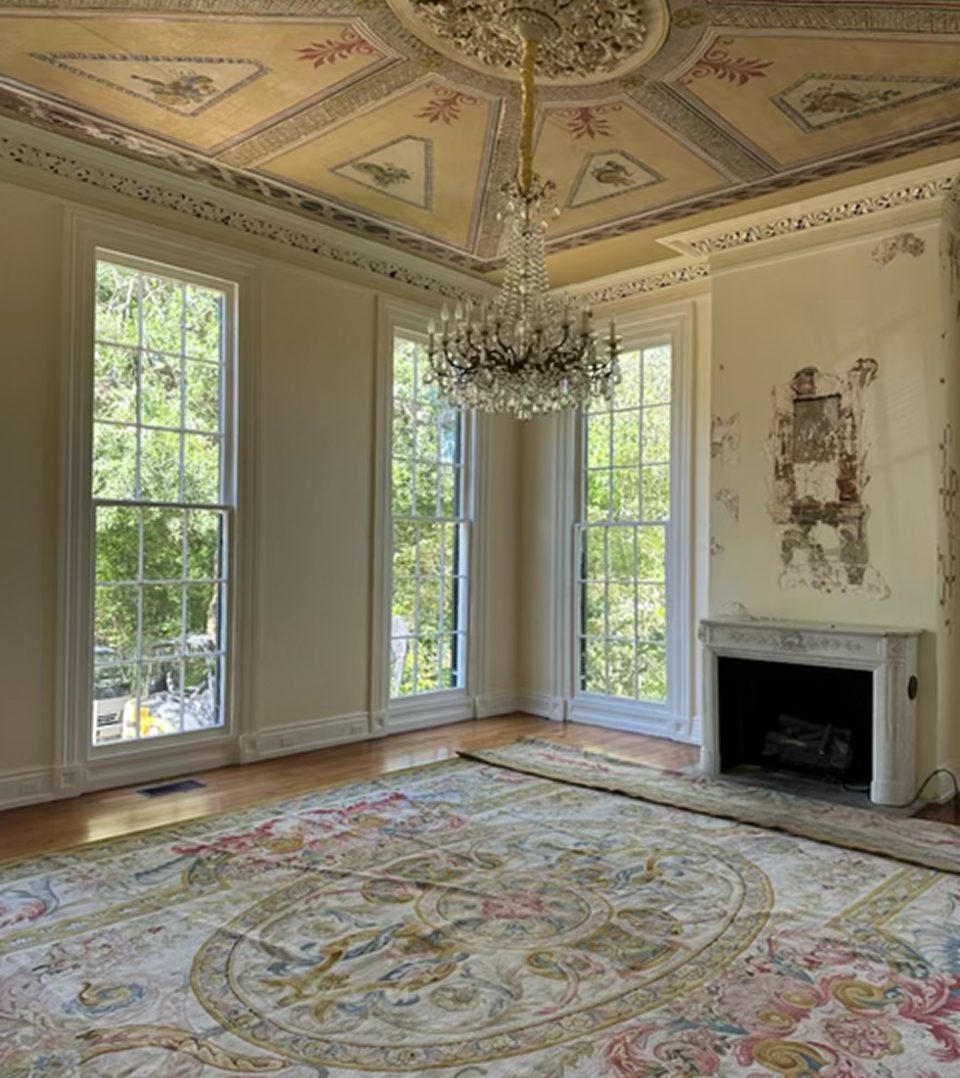
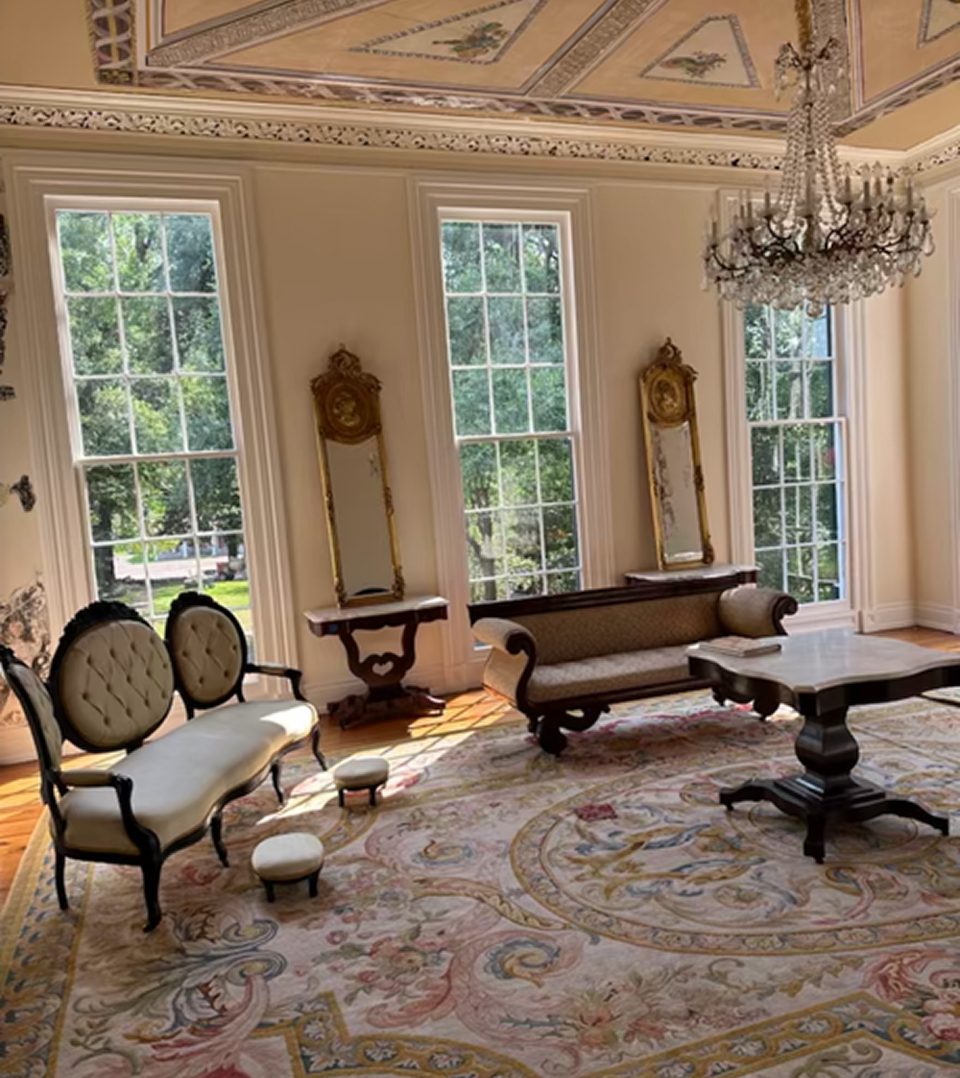
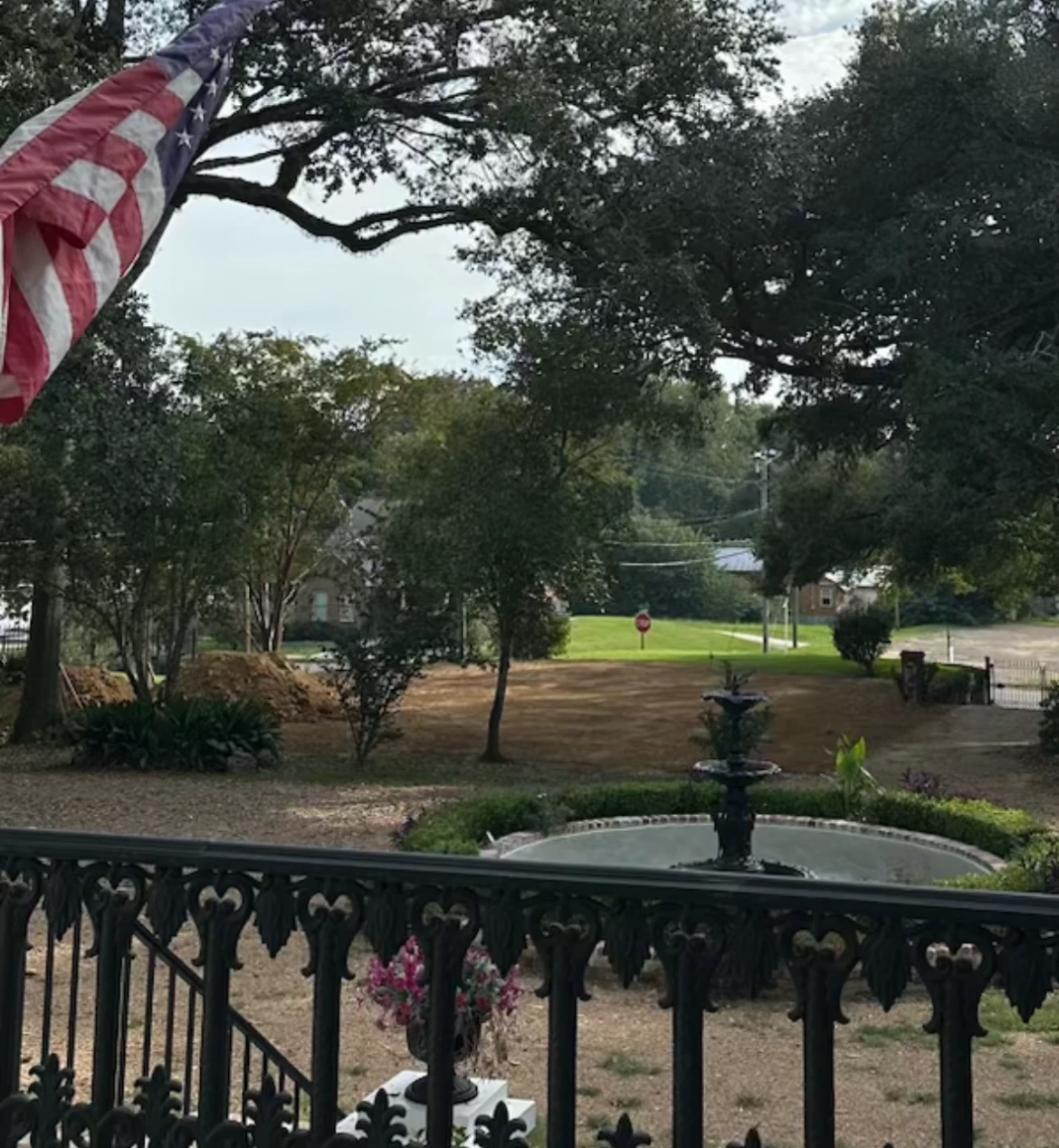
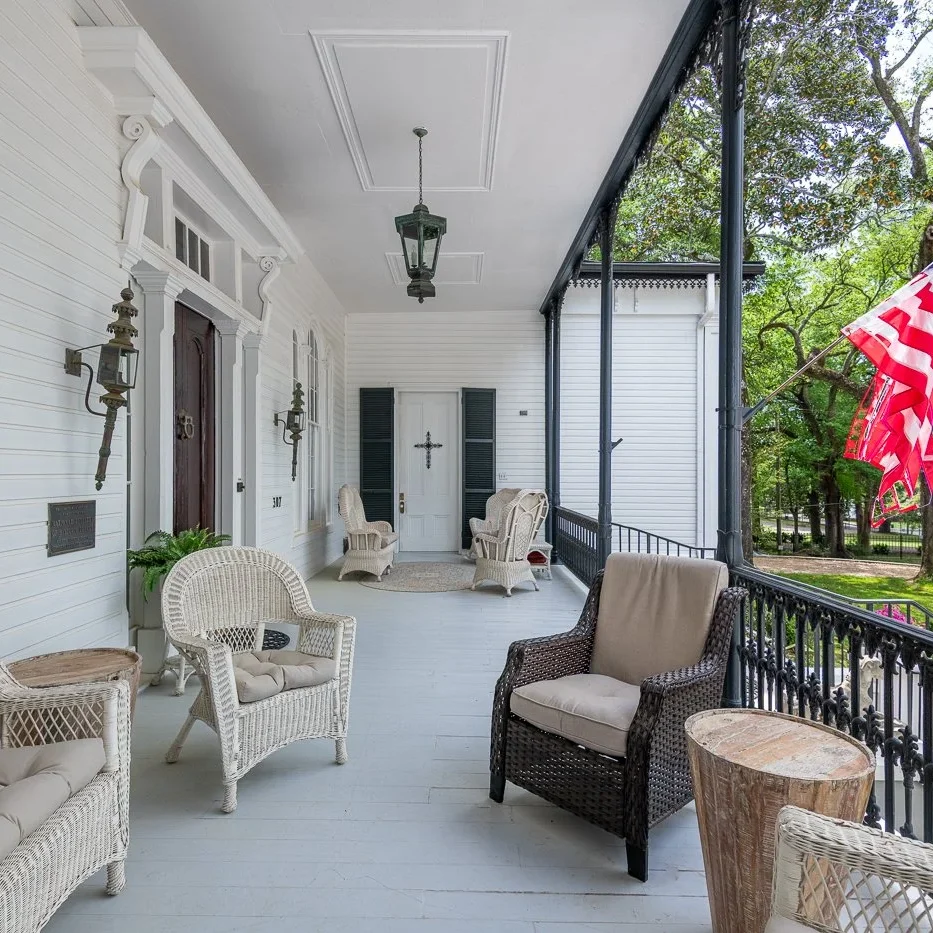
The Wigwam, a historic Italianate mansion at 307 Oak Street in Natchez, Mississippi, is one of the city’s enduring architectural landmarks. Physical evidence and local tradition suggest possible late-18th-century elements, including an original wooden-shingled roof visible upstairs under a later dormer. The core was built as a simple four-room cottage in the mid-1830s by sisters Margaret, Matilda, Amanda, and Laura Ivey (also Ivy) on land from the Spanish grant known as Cottage Gardens. Completed by about 1841 and first called Riverview Estates for its river view, the house was purchased in 1858 by Douglas L. Rivers and his wife, Eliza Griffin Little Rivers. They enlarged and remodeled it into the Italianate residence seen today, adding projecting wings, arched triple windows, a central dormer, a bracketed doorway, and cast-iron posts and railings. Architectural surveys rank it, with The Towers, among Natchez’s significant mid-19th-century Italianate remodelings of earlier cottages.
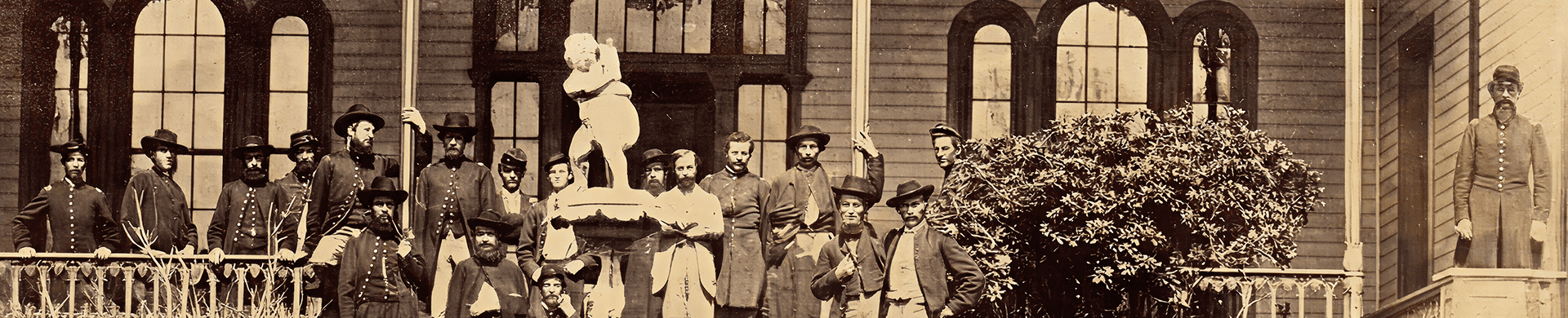
After Union forces occupied Natchez in July 1863, they built Fort McPherson nearby. In spring 1864 the Rivers were evicted; Federal troops used the house as officer barracks and staff offices. A period photograph shows members of the 23rd Iowa Infantry on the front porch, and on April 7, 1864, Douglas Rivers wrote from the house about the eviction. After the war, The Wigwam continued as a private residence through successive owners, its rooms preserving layers of Natchez architectural and family history.

A Name Rooted in Personal and Cultural History
Douglas L. Rivers and Eliza Griffin Little Rivers gave the house its present name, “The Wigwam,” after acquiring it. In an 1879 deed, Eliza Rivers referred to the property as “Wigwam” and the place of residence of herself and her family.
Eliza (born Elizabeth Ann Griffin, approximately 1821–1824 in Maryland) was the daughter of James Griffin and Elizabeth Ann (Little) Griffin. Her mother died when Eliza was an infant. She was raised in Natchez by her aunt and uncle, Peter Little and Eliza Lowe Little, at their home, Rosalie, overlooking the Mississippi River. She married Douglas L. Rivers in Natchez on August 22, 1838. The couple later lived at The Wigwam as their town residence. Eliza died in New Orleans in 1893 and was buried in Natchez; she was survived by daughters including Mary Miller Rivers and Emma (Rivers) Carradine.
The name “Wigwam,” drawn from a term for certain Native American dwellings, reflects the region’s deep pre-colonial history. The Natchez people and their ancestors inhabited the area for centuries before European settlement, leaving platform mounds and other archaeological traces. Local tradition holds that The Wigwam occupies or stands near an earlier indigenous site, and accounts associated with the Rivers’ ownership mention the discovery of artifacts on the property that influenced the choice of name. Whether or not the precise mound claim can be independently verified today, the name has endured as a reminder of that layered past.
The Wigwam’s documented story—from the Ivey sisters’ cottage through the Rivers’ Italianate transformation, its wartime occupation by Union officers, and its continued life as a private home—illustrates the architectural and human history of Natchez across the 19th century and beyond. It remains a tangible link to the city’s antebellum heritage and the successive families who shaped it.
Continue Exploring the Wigwam
The story of the Wigwam extends beyond its past. Learn how this historic landmark is being thoughtfully cared for and prepared for future generations.